Phoenix told federal officers this week that they can’t use city property during Immigration and Customs Enforcement crackdowns.
In an 8-1 decision on March 25, Phoenix leaders passed a plan that bans ICE from using city-owned land to stage operations or process detainees, unless it has the city’s permission.
Councilmember Jim Waring cast the lone dissenting vote.
The policy, called the Community Transparency Initiative, will also set up a system for people to document alleged civil rights violations by ICE officers. It will track city resources used when police and firefighters respond to calls involving federal law enforcement.
As part of the initiative, the city will also set up a “know your rights” webpage with resources and civil rights information for residents, businesses, schools, and employers. The webpage can be translated into more than 120 languages.
MORE: Deported Arizonan struggles to adjust. ‘I feel like I’m worth nothing’
City staff will also receive training on how to handle encounters with federal officers should any enter municipal facilities.
The city spent $1 million this month to hire Coppersmith Brockelman for any legal services related to federal immigration actions in Phoenix. It didn’t provide a price tag for how much the initiative will cost, other than to note that staff is “monitoring” for financial impacts and would inform the council of any “additional resources that may be required.”
Phoenix officials believe the initiative will help protect residents’ civil rights amid the Trump administration’s immigration crackdown, which has turned violent and, at times, deadly.
Most of those who attended the City Council meeting to speak about the policy this week were largely supportive but didn’t believe it went far enough. Some of the advocates recognized it as a starting point.
A few other speakers called on the council members to reject the plan, encouraging the city to instead cooperate with the federal government on immigration enforcement.
Passing the initiative marked a first and important step, as the plans outlined in it will protect Phoenix’s communities, Councilmember Anna Hernandez said.
“I can also recognize that (those plans) are not enough. We cannot stop here,” she said, adding, “We have started, and we must go further.”
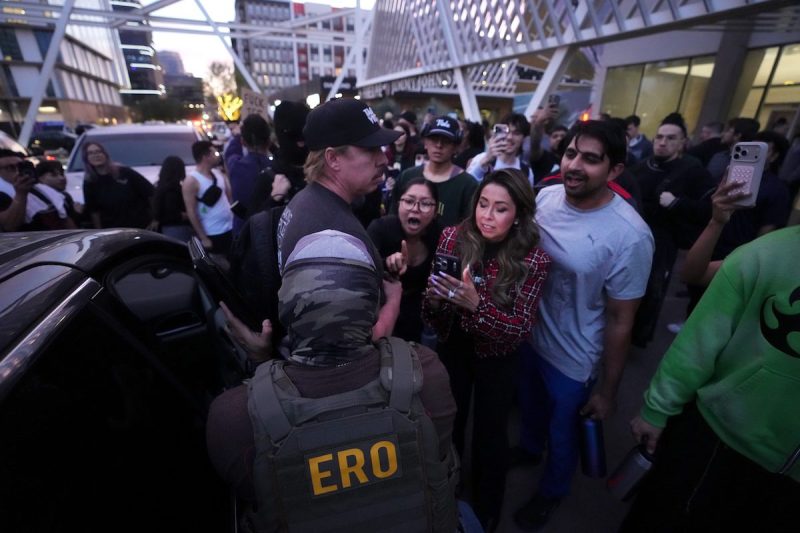
City leaders proposed the plan last month, after a federal raid at more than a dozen Zipps Sports Grill locations shocked the local restaurant industry. It also prompted tense standoffs and clashes between masked officers and protesters outside some of the restaurants, including in midtown Phoenix.
Before that, the U.S. Department of Homeland Security also bought a 418,400-square-foot warehouse in Surprise for over $70 million. ICE confirmed that it would be converted into a detainee processing facility with about 1,500 beds, sparking a wave of outcry.
At a work study session on Feb. 11, council members gave city staff 45 days to draft the initiative.
The proposal, at the time, drew criticism from local activists and immigrant advocacy groups such as Poder in Action and Organized Power in Numbers. They believed that the policy’s initial language was ineffective and felt excluded from providing input.
In an emailed statement, Poder spokesperson Mike Cassidy expressed gratitude to city staff who met with immigrant rights organizations over the past month to draft the policy.
This week, Poder members gathered at the council meeting to support the initiative while calling on the city to still do more to counter increased ICE operations that have disrupted communities across the country.
“The final language in the (Community Transparency Initiative) is stronger than what was initially proposed by the City Council and marks a significant victory for people who demanded a more robust stakeholder process,” Cassidy stated.
Reporting by Shawn Raymundo, Arizona Republic