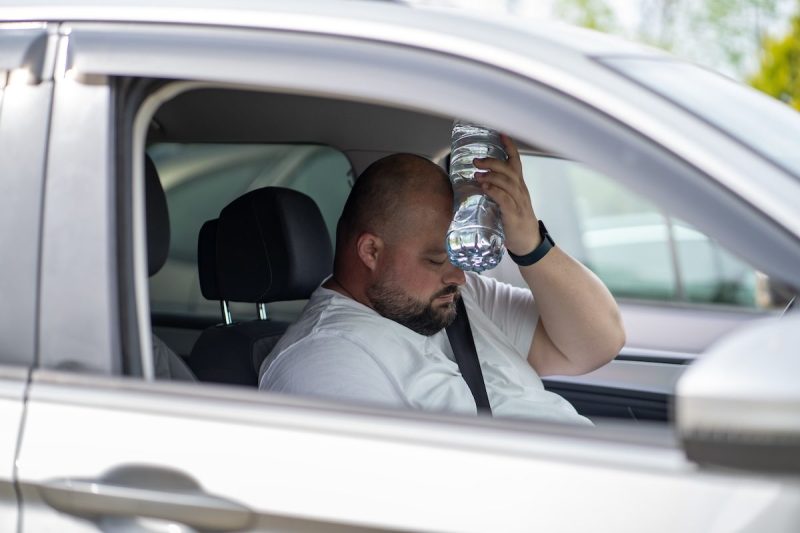
Metro Phoenix residents are letting out collective groans as they slide into their parked cars this week.
With temperatures in the high 90s and even triple digits, your car is preheating and starting to feel like an oven again (Watch out for that burning hot seat belt latch, folks).
While it’s not summer yet, it’s not too late to do a quick inventory of what you have in your glove box or trunk and if it’s going to survive the record-breaking Valley of the Sun heat this year. Here are 12 things experts say you really shouldn’t leave in your hot Arizona car and why.
What should I not leave in a hot car?
There are quite a few things you shouldn’t leave in a hot car, according to Geico and Capital Insurance Group:
- Food and beverages: Certain beverages can cause a mess in your car. For example, a wine cork can easily slip out, or a soda can may explode in hot temperatures. Bacteria that can cause foodborne illnesses double every 20 minutes even at room temperature, according to the FDA. Don’t leave groceries or leftovers in a warm car for more than two hours, or only one hour when it’s over 90 degrees.
- Aerosol cans: Pressurized cans are highly sensitive outside of recommended storage temperatures. The contents can expand, which can cause the can to crack or explode.
- Sunscreen: When sunscreen is left in high temperatures for too long, this can shorten its shelf life, according to the Centers for Disease Control and Prevention.
- Lighters: The flammable fuel inside a lighter can expand, breach the lighter casing when exposed to high heat and create a fire hazard.
- Plastic bottles: With a clear plastic bottle, potentially magnifying the sun’s rays, there is a risk from bisphenol A, or BPA. According to the National Library of Medicine, there’s an increased release of BPA from plastics at higher temperatures.
- Batteries: Leaving batteries in high temperatures can lead to a loss of capacity but also cause a leakage or rupture. Battery acid is dangerous when inhaled and highly corrosive, according to the CDC.
- Electronics: Leaving your phone or another electronic device in a hot car could cause it to shut down or suffer damage.
- Medicine: If medications are left in high heat for an extended period of time, the compounds in prescriptions and over-the-counter medications can be altered and lose potency.
- Sunglasses/glasses: Leaving sunglasses or prescription glasses in a hot car can cause the plastic to soften and warp, changing the frame’s shape and fit. If metal-framed glasses are left, the heat can make them too hot to put on your face or handle.
- DVDs and CDs: If left in a hot car, CDs can warp, and cases can melt together.
Is it OK to leave a dog in a hot car?
Unless you really need to take your animal with you, opt to leave your pet safely at home. The American Veterinary Medical Association says to “never leave your pet alone in a parked vehicle, no matter what the outdoor temperature or how long you think you’ll be gone.”
Temperatures inside your vehicle can rise about 20 degrees in just 10 minutes.
Cracking the windows makes no difference.
How long can a baby be in a hot car?
As stated above, cars can heat up rather quickly.
Heatstroke is one of the leading non-crash vehicle-related fatalities among children, according to the NHTSA. It can occur when a child is left in a hot vehicle, which causes their body temperature to rise quickly and dangerously.
A core body temperature of 107 degrees is lethal.
“It is never okay to leave a child alone in or around a car for any reason,” the NHTSA website states.
Reporting by Dina Kaur, Arizona Republic