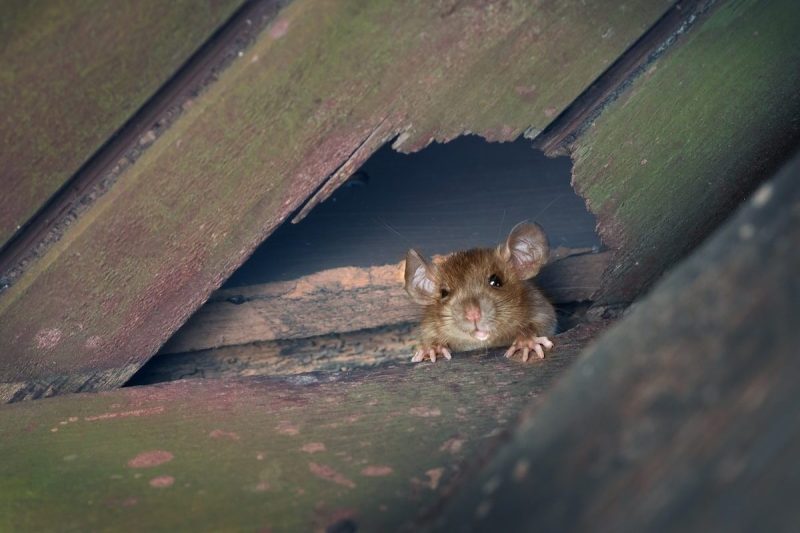
In Arizona, we have it all, scorpions, snakes and yes, even rats. Specifically, roof rats and before you panic, no, they aren’t your typical New York City, pizza-stealing type of rats.
Roof rats are common around urban and suburban areas like Phoenix, Tucson and surrounding desert communities. They’re excellent climbers, which means they love roofs, hence their name, but you can also spot them in citrus trees, palm trees and dense landscaping.
They are most active during the warmer months, particularly late spring and through early fall when breeding peaks and food sources are abundant.
However, in Arizona’s mild climate, roof rats can be active year-round. You’ll most likely notice them at night, often scratching the walls or ceilings.
Here’s everything to know about roof rats and how to get rid of them.
How do you get rid of roof rats?
The fastest way to get rid of roof rats involves a combination of trapping, sealing entry points and removing food and shelter:
- Set traps strategically: Use snap traps or electronic traps baited with peanut butter, fruit or nuts. Place them in areas of high activity, such as along walls, in attics or near nesting sites. For quicker results, set multiple traps at once.
- Seal entry points: Inspect your home for gaps or holes larger than 1/4 inch and seal them with steel wool, metal flashing or caulk. Pay close attention to rooflines, vents and utility entry points.
- Eliminate food and water: Remove outdoor food sources like pet food, birdseed or fallen fruit. Fix leaky faucets and eliminate standing water.
- Remove shelter: Trim overhanging tree branches, clear dense vegetation and clean up woodpiles or debris where rats might nest.
“This is a tricky question to answer since it depends upon the number of rats and the situation. Newly introduced rats can often be trapped successfully, but there is no fast solution to densely populated areas where food and shelter resources are abundant and rat populations are widespread,” said Dawn Heather Gouge, professor of medical entomology at the University of Arizona and a public health integrated pest management specialist.
Gouge also said most native rodents are generally harmless if left alone and play an important role in the ecosystem. She recommends seeking professional help for rodent control instead of using rodenticides, which can be harmful to both animals and the environment.
How do you tell if you have roof rats?
Look for these key signs to tell if you have roof rats:
- Their droppings are small, about ½ inch long, with pointed ends, often found in attics or near food sources.
- You may notice gnaw marks on wires, wood or plastic, as roof rats chew to maintain their teeth.
- Scratching or scurrying noises in walls or ceilings, especially at night, are common indicators.
Are roof rats harmful?
Gouge said roof rats generally avoid humans but will bite if grabbed or handled.
If bitten, rinse the wound thoroughly with warm water and clean it with antibacterial soap. Remove rings from injured fingers or toes to prevent complications from swelling.
“Rat incisors are long, curved and sharp,” Gouge said. “Make sure to clean inside cuts and rinse away the soap before dressing. Rat bites can introduce bacteria and other disease-causing pathogens into wounds. You can apply antibiotic ointment on the wound before covering it with a clean, dry dressing.”
What are roof rats attracted to?
Roof rats are attracted to a wide variety of food sources.
“Like us, roof rats are omnivorous and will eat fruits, vegetables, nuts, seeds and berries, preferably,” said Gouge.
“They hollow out ripe citrus fruits on trees and on the ground. They will also snack on human food and forage through garbage. Roof rats are agile climbers and can sometimes be seen climbing trees, shrubs and vines looking for fruit to satisfy their sweet tooth.”
During colder months, rats are attracted to warmth and shelter, making them more likely to invade homes. They struggle during extreme heat and will seek protection from high temperatures.
Access to water is essential, so rats are attracted to standing water.
Reporting by Tiffany Acosta, Arizona Republic