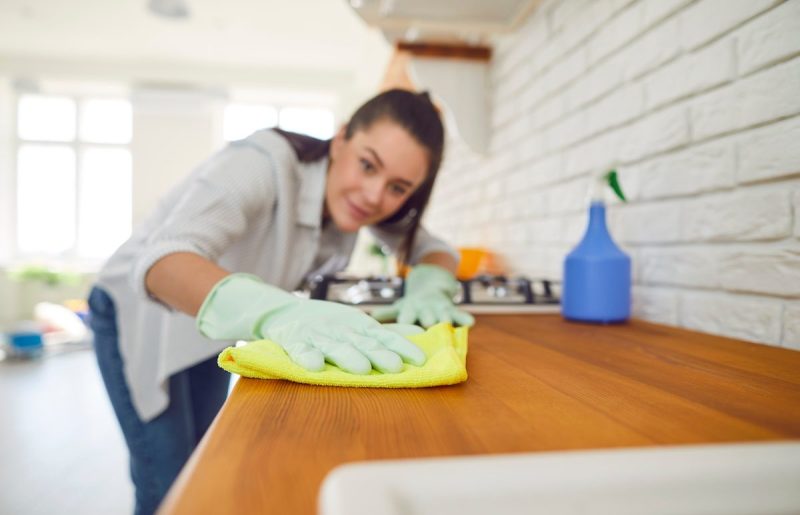
Sometimes getting your security deposit back can feel like pulling teeth. Here are some tips for making sure you get your money returned.
Moving into a new place in Phoenix—or anywhere, really—has a lot of upfront costs, from application fees to nonrefundable pet deposits. There’s also that pesky security deposit that dips into your savings.
Ideally, you’d use the money from your previous security deposit to pay for the next one … right? But if you have experience renting, you probably already know—sometimes getting that refund back feels like pulling teeth.
Here’s what to know about security deposits in Phoenix, and some tips for making sure you get yours back.
Law on security deposits
A security deposit is an amount of money landlords ask for when you sign a new lease to cover potential damage to the property they own or unpaid costs. In Arizona, a security deposit can be no more than 1.5 times the monthly rent.
Unless otherwise specified, landlords are expected to return the deposit at the end of your lease. Landlords can require nonrefundable deposits, usually related to pets or cleaning, but they must specify in the lease that you won’t get those back.
To make sure you receive your security deposit refund when moving out, renters must give their landlord a written notice of their intention to leave the property. Check your lease on this, because sometimes landlords require a specific number of days’ notice.
Before or at the time you turn in your keys, make sure to also give your landlord a written request for the security deposit. Don’t forget to include a forwarding address so the landlord knows where to send the refund.
Arizona law requires a landlord to return a security deposit within 14 business days after a lease ends, either in full, or whatever remains after deductions. If the landlord takes deductions, they are required to provide the tenant with an itemized list.
Landlords can deduct the cost of repairing damage beyond normal wear and tear. According to Tucson Foothills Management & Realty, this could be chips or burns on countertops, broken tiles, unapproved wall painting, or stained carpets.
Normal wear and tear, which is supposed to be the landlord’s responsibility to pay to fix, include loose door handles, blistered paint, or worn carpet. As you can see, the line between damage and normal wear and tear can be blurry.
And if you’ve got a pet, you’re definitely going to want to keep an eye on them, as animal-related damage is usually considered the tenant’s responsibility. My editor, for example, had around $75 deducted from her security deposit return because her puppy dug up and destroyed a corner of her apartment’s carpet.
Renters have a right to be present during move-out inspections, which is when landlords assess properties for damage, unless the landlord fears for their safety or the renter is being evicted. You’ll need to notify your landlord in advance, though, if you want to be there for it.
If your landlord refuses to give back your security deposit within the 14-day window, or they refuse to give you a list of deductions, you can file a small claims lawsuit. You can also dispute any money they withheld, but you need to send that dispute in writing to your landlord within 60 days after they mailed the list of deductions. Otherwise, you waive your right to make a claim.
Tips for getting your money back
Beyond the legal requirements, there are other practical things to know about getting your deposit back.
Our reporter Alyssa Bickle moved apartments in downtown Phoenix recently, so this is fresh to her. Here are some tips she shared:
- Ask your landlord or leasing office for a copy of your apartment’s pre-move-in inspection form, and take note of what the condition of the apartment was in when you received your keys. This will help you determine what needs to be cleaned or fixed.
- Always take photos of your unit, as you’re cleaning and once it’s been cleaned, before you turn your keys in. This can help if you’d like to dispute any deductions your landlord may take.
- If your unit has carpet, rent a carpet cleaner from a local hardware or grocery store. Save the receipt and take photos so you can prove it was cleaned.
- Dust everywhere! Above the door frames, on the nooks and crannies in doors, above shelves, on ceiling fans, and around your appliances.
- Use a Magic Eraser to get scuffs and stubborn dirt off walls, corners, and baseboards.
- Clean the inside of your appliances! Use Bar Keepers Friend to scrub your oven, clean the filter in your dishwasher, and wipe the inside of your microwave, refrigerator, and freezer.
- Empty the lint trap of your dryer, dust it off, and wipe any laundry detergent residue from the washing machine.
- Don’t forget to clean your shower! Scrub the walls, floor, shower head, and door so they’re clear of soap scum and other residue.
- To fill any holes in your walls:
- Sand down with low-grit sandpaper to create a smooth surface.
- Fill the hole with putty or wood filler, or even rub a bar of soap over it.
- Once dry, sand down again.
- Cut out a small chip of paint, or save any chipped paint you might have broken off. Take it to a hardware store and ask them to paint match it, so you can get a sample of the paint.
- Paint over filled holes with the paint sample.
Remember: The less work the landlord has to do to make the space ready for the next tenant, the more likely you are to get your deposit back.
MORE: Phoenix renters: You received a ‘breach of lease’ notice–what now?